
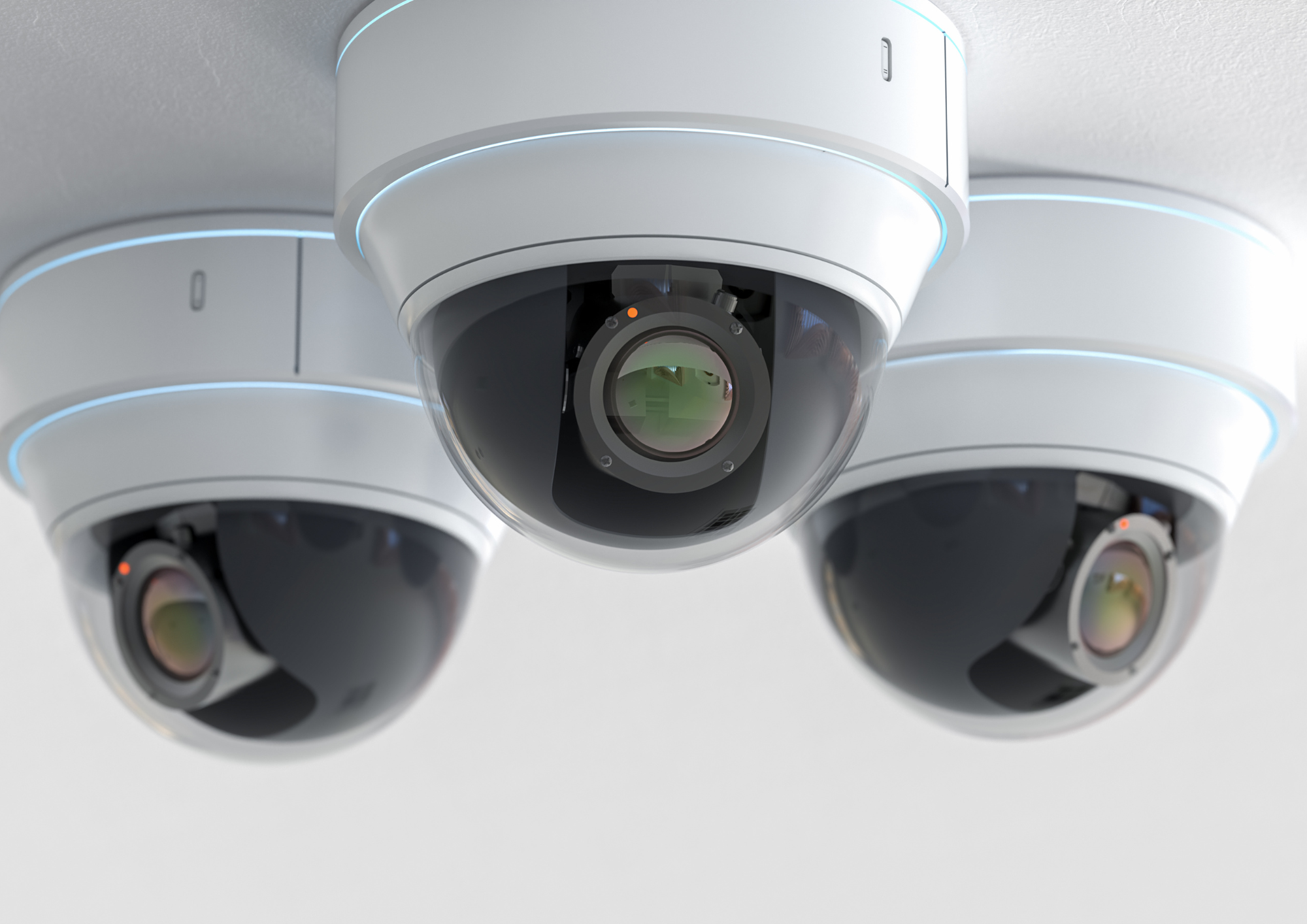
If you plan to add cameras, replace a recorder, or expand access control next year, start the conversation now. Security hardware prices are climbing and delivery times have stretched from weeks to months. The reason sits outside our industry.
AI data centers bought the parts your security system runs on
Companies building AI data centers need enormous quantities of memory chips and hard drives. Chip makers and drive makers sell to those buyers first, because they order in bulk and pay a premium. Everyone else waits in line behind them.
Your security system uses the same parts. A video recorder writes footage to the same hard drives a data center uses. Cameras, servers, access control panels and intercoms all run on the same memory chips. One global supply feeds both.
Where things stand
- Samsung and SK Hynix, who together supply most of the world's memory, fell below 10 days of finished inventory in September 2026.
- Western Digital sold out its entire 2026 hard drive production, with orders already committed into 2027 and 2028.
- Seagate reports drives sold out into late 2027.
- Wait times on high-capacity drives moved from a few weeks to more than a year.
- Axis raised prices globally on May 1, 2026, citing rising component costs and memory in particular. Network cameras rose roughly 5 to 10 percent, with video recorders higher.
What feels it first
Anything storing video takes the biggest hit. Recorders, servers and archive storage carry the most memory and the most drives, so they move first and move hardest.
- Network video recorders and video management servers
- Storage arrays and any project extending retention beyond 30 days
- AI-enabled cameras with onboard analytics
- Access control panels, readers and controllers
- Intercom and emergency call station hardware
Cloud and subscription platforms shift some of the burden, and the edge devices still ship. Hosting providers pay the same higher component costs, and several have signaled service price increases.
When does this ease
Not soon. New memory and drive plants are under construction, and the earliest meaningful output arrives in late 2027. Real volume follows in 2028. Price increases did slow over the summer, and analysts attribute the slowdown to buyers reaching their spending ceiling rather than to new supply arriving. Prices are still climbing, from a much higher starting point.
Five things to do before Q1 2027
- Inventory your recorders. Anything four years or older belongs in next year's plan, and next year's plan belongs in this year's conversation.
- Scope 2027 projects now, even if you order later. A scoped project moves fast when budget opens.
- Build your budget on current pricing, not on last year's numbers. Figures from 2024 and 2025 will fall short.
- Ask whether each line item prices at order or at shipment. Several manufacturers invoice at shipment, so a long lead time exposes you to a later price.
- Phase carefully. On multi-phase rollouts, phase two prices at a later date than phase one. Ordering the full quantity up front protects the back half of the project.
How USI approaches it
We watch manufacturer pricing and lead times across every product line we install, and we tell clients what we see. Ordering early secures your place in the queue and protects your install date. On lines where pricing locks at order, it protects your budget too. We will tell you plainly which is which.
If you have security technology planned for 2027, a short conversation now will save you money and months later.

Frequently asked questions
+What does AI have to do with my security cameras?
Same parts, same factories. A camera system stores video. An AI data center stores training data. Both need memory chips and hard drives, and one global supply serves both. When the largest buyers take most of it, everyone else waits longer and pays more.
+Should I wait for prices to come back down?
Waiting costs you. New manufacturing capacity arrives in late 2027 at the earliest, with real volume in 2028. Delaying a 2027 project means paying a higher price after a longer wait.
+How much longer are lead times right now?
It varies by manufacturer and by product. High-capacity hard drives now carry waits of a year or more. Cameras, panels and readers move faster, and every line has stretched. We quote current lead times per product at the time of your proposal.
+Will moving to cloud video avoid the problem?
Partly. Cloud platforms move storage off your site, and you still buy cameras and network hardware. Hosting providers face the same component costs, and several have signaled service price increases. Cloud reduces your exposure without removing it.